The Jewish Origins of Islam
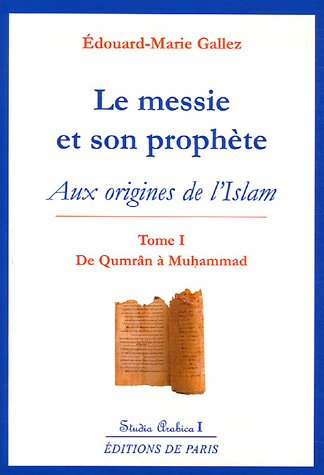
/ messie et son prophete t.1 aux origines de l islam
In his groundbreaking book, Le messie et son prophète: Aux origines de l’Islam, Edouard-Marie Gallez lifts the veil and lets us see the historical roots of Islam. He shows it originating in a vast movement of messianic Jews called “Ebionites” or “Nazareens.” These non-rabbinical Jews accepted Jesus as the messiah, but not as the divine Logos. Gallez shows how the scrolls and fragments found in the Qumram caves by the Dead Sea and in the vicinity of Massada illuminate the ideology behind this movement of Jews, who were eager and willing to follow the messiah into holy war, believing they would thereby save the world. Unlike rabbinical Jews, who looked to the past, these men looked forward to an earthly utopia that would come only after mass exterminations. Like the later Muslims, they believed that the messiah had not died on the Cross but had been taken up alive into heaven and was ready, whenever the conditions were right (i.e., when Palestine was no longer in the hands of the impious and the Temple had been rebuilt), to return to the Mount of Olives and lead them to the subjugation of the entire world. The Nazareens, like the Muslims, forbade pork and wine
========
Anne B. Gardiner - Żydowskie pochodzenie islamu
ADMINISTRATOR
JUDAIZM I ISLAM
ODSŁON: 1
Żydowskie pochodzenie islamu
/ messie et son prorhete t.1 aux origines de l islam
W swojej przełomowej książce Le messie et son prophète: Aux origines de l'IslamEdouard-Marie Gallez unosi zasłonę i pozwala zobaczyć historyczne korzenie islamu. Pokazuje, że wywodzi się on z ogromnego ruchu mesjanistycznych Żydów zwanych „ebionitami” lub „nazarejczykami”. Ci nie-rabiniczni Żydzi przyjęli Jezusa jako mesjasza, ale nie jako boskiego Logosa. Gallez pokazuje, jak zwoje i fragmenty znalezione w jaskiniach Qumram nad Morzem Martwym oraz w okolicach Massady wyjaśniają ideologię tego ruchu Żydów, którzy chętnie i chętnie podążają za mesjaszem do świętej wojny, wierząc, że w ten sposób uratują świat. W przeciwieństwie do rabinicznych Żydów, którzy spoglądali w przeszłość, ci ludzie nie mogli się doczekać ziemskiej utopii, która nadejdzie dopiero po masowych eksterminacjach. Podobnie jak późniejsi muzułmanie wierzyli, że mesjasz nie umarł na krzyżu, lecz został zabrany żywcem do nieba i był gotowy, ilekroć warunki były odpowiednie (tj. gdy Palestyna nie była już w rękach bezbożnych, a Świątynia została odbudowana), wróć na Górę Oliwną i poprowadź ich do ujarzmienia całego świata. Nazarejczycy, podobnie jak muzułmanie, zakazali wieprzowiny i wina
Pierwszy tom tego dzieła magisterskiego, liczącego około tysiąca stron, dotyczy Esseńczyków, dokumentów Qumram i żydowskiego ruchu mesjanistycznego od jego powstania w II wieku pne do kulminacji w islamie z VII wieku. Drugi tom poświęcony jest w dużej mierze narodzinom islamu, próbie wymazania dziedzictwa nazarejskiego i jego śladów, które pozostały w Koranie, które rozpoczęły się jako kompilacja nazareckich lekcjonarzy („qery'n” z którym odpowiada arabskie słowo Koran). Te lekcje zostały początkowo przekazane arabskim Qorechitom w celu indoktrynacji ich w mesjańską ideologię i zaangażowania ich w podbój Palestyny.
Muhammad historii
Ostatni rozdział drugiego tomu nosi tytuł „Historyczny Muhammad: portret” i oparty jest na źródłach z VII wieku. Zacznę od tego niezwykłego rozdziału, a następnie wrócę, aby zbadać, w jaki sposób dwie księgi prowadzą do tego „Portretu”.
Gallezstates twierdzi, że pierwsza żona Mahometa Hadija, bogata wdowa, która była od niego starsza, była kuzynką nazarejskiego księdza Waraqa ibn Nawfala, więc prawdopodobnie była sama z Nazarejczykiem. Waraqa był także dalekim kuzynem Mahometa i odegrał ważną rolę w ich małżeństwie. (To prowadzi mnie do zastanowienia się, czy sam Mahomet nie był częściowo Żydem, ale Gallez nie zadaje tego pytania.) Waraqa indoktrynował arabskie plemię Qorechitów, którzy wcześniej byli chrześcijanami, do przyłączenia się do Nazarejczyków, którzy mieli siłą odzyskać Jerozolimę broni i doprowadzić do szybkiego powrotu mesjasza. Kiedy Chosroes poprowadził perską wyprawę do Palestyny w 614 roku, tysiące rabinicznych Żydów udzieliło mu pomocy (jedna żydowska encyklopedia cytowana przez Galleza podaje ich liczbę na 24 000), a więc perski generał, w zamian za jego łatwe zwycięstwo, dał im kontrolę nad Jeruzalem. W tej samej wyprawie Mahomet (nazwisko, które w języku nazarejskim oznaczało „tego, kto pragnie podobać się Bogu”) prawdopodobnie poprowadził swoich wojowników Qorechite do Jerozolimy, ale rabiniczni Żydzi, którzy zostali tam zainstalowani jako panowie, wydalili go i jego Qorechites , a także nazarejczycy. Mimo to Mahomet widział teraz, że można podbić Jerozolimę.
Bizantyjski cesarz rozpoczął podbój regionu na początku 620s, więc Persowie opuścili Jerozolimę w 622 roku. Gallez uważa, że emigracja Mahometa lub hegira w kierunku oazy Yatrib (Medyna) była wynikiem tego chrześcijańskiego ponownego podboju. The Chronicle of Sebeos (660) donosi, że w Yatrib Mahomet - jako nazarejski wyznawca Tory - zabronił wina i kazał Żydowi i jej kochankowi ukamienować za cudzołóstwo. W Yatrib zwyciężył okoliczne plemiona arabskie, głosząc im, że Bóg obiecał Palestynie potomkom Abrahama, a ponieważ oni sami byli potomkami Abrahama, odziedziczą tę obietnicę, jeśli wrócą do kultu jedynego Boga Abrahama i tylko on. To głoszenie miało zmusić ich do porzucenia religii chrześcijańskiej. Wbrew temu, co mówią muzułmanie, nawrócenie Arabów rozpoczęło się trzy wieki wcześniej, a spowiednik Maksym Maksym pisał o nich w 632 r., Że wśród nich „zniknął błąd politeizmu”.
Sukces Mahometa potwierdza Kronika Jakuba z Edessy (przed 692), a także Doctrina Jacobi (przed 640). W tym ostatnim dowiadujemy się, że niektórzy rabiniczni Żydzi przybywający do Yatrib w 625 lub 627 znaleźli Arabów już zaimpregnowanych ideologią nazarejską i ich wodza Mahometa „głoszącego nadejście mesjasza” z takim charyzmatem, że wszyscy byli mocno zjednoczeni pod jego zwierzchnictwem . Chronography z Theophane (który zmarł w 817) stwierdza, że w 622 Żydów rabinicznych niektóre znane Bizancjum dołączony się do Mahometa: widzieli go jako jednego z „swoich proroków,” kto, jak Malachiasz 3:23 przepowiedział, że poprzedzają Mesjasz. W VIII-wiecznych tajemnicach rabina ben Yohaya, żydowska apokalipsa, istnieje fragment z 650 roku, w którym rabiniczny Żyd nadal wierzy, że Mesjasz przyjdzie, jeśli Umar odbuduje świątynię. (Zastanawiam się, czy rabiniczni Żydzi przyłącziliby się do „proroka”, który przynajmniej nie był Żydem? Znowu Gallez nie zadaje tego pytania).
Mahomet i jego wojska arabskie wkrótce zaczęli wkraczać do Palestyny, aby „wyzwolić” ją i przywrócić „Dom Boży”. On i jego wyznawcy nazwali siebie „muhajirun” lub „emigrantami”, żyjąc nowym Exodusem. Inni nazywali ich „Hagareńczykami” i „Saracenami”, ale sami zachowali tę unikalną nazwę „muhajirun” przez co najmniej trzy pokolenia. Taką nazwę używali w oficjalnych dokumentach, takich jak Karta Medyny (Yatrib), pakt obejmujący Żydów (Nazarejczyków) w ich „Ummie” lub bractwie wojennym. Gallez wyjaśnia, że „muhajirun” oznacza „tych, którzy opuścili swój kraj lub wyemigrowali, aby walczyć dla Boga”. Dopiero w 775 r. Zaczynają nazywać siebie „muslimun”, a „islam” zastępuje „hijra”. W 629 Mahomet poprowadził próbę podboju Jerozolimy, ale został pokonany przez Bizantyjczyków w Mucie, południowy wschód od Jordanii. Zmarł kilka lat później, prawdopodobnie w 634 roku, w tym samym roku, kiedy Sophrone, patriarcha Jerozolimy, poinformował, że Arabowie chwalą się „podbiciem świata”.
Jerozolima zostanie ostatecznie zajęta w 637 roku przez jego następcę Umara. Gallez zauważa, że nikt nie wie, jak zareagowałby Mahomet, gdyby żył, widząc nie przybycie mesjasza. Brak przybycia zmienił wszystko. Początkowo Arabowie pozwolili nazaretom zbudować miejsce modlitwy dokładnie tam, gdzie kiedyś znajdował się Najświętszy, ale później odepchnęli ich i uczynili z nich własne miejsce modlitwy. Co ciekawe, Kopuła na Skale, którą kalif Al-Malik zaczął budować w 691 r., Pierwotnie nazywała się Kopułą Abrahama, ponieważ wierzono, że leży na Górze Moria, gdzie Abraham prawie poświęcił Izaaka. Jego nazwa została zmieniona, ponieważ później powiedziano, że zawiera on skałę, z której Mahomet wstąpił podczas nocnej podróży do Nieba.
Nieistniejące esseny
W pierwszej części swojej pracy Gallez ścina „drzewo” esseńczyków, aby wreszcie można było zobaczyć „las” ogromnego ruchu mesjanistycznego. Mogę jedynie podać uproszczoną wersję jego wyuczonych argumentów. Esseńczycy mieli mieszkać w Qumran do 68 roku, a potem zniknęli, ale najprawdopodobniej nigdy nie istnieli, choć tysiące artykułów i książek napisano o nich tak, jakby istniały. Na pierwszych stu stronach Gallez pokazuje, że, co dziwne, nigdy nie są wymienione w zwojach Qumran i nie ma odniesienia do nich w tradycji talmudycznej. Jednak gdy tylko zwoje Qumram zaczęły być odszyfrowywane w latach 50. XX wieku, stało się „dogmatem”, że wszystkie te zwoje należały do Esseńczyków, którzy podobno mieli klasztor w pobliżu Morza Martwego i zespół skrybów pracowicie kopiujących dokumenty.
W 1. wieku Esseńczycy byli początkowo wspomniani, ale tak naprawdę nie widziani, przez Pliniusza Starszego, Filona z Aleksandrii i Flawiusza Józefa. Po pierwsze, Pliniusz, którego historia naturalna jest pełna fantastycznych rzeczy, nazwał ich wyjątkową „rasą” Żydów żyjących przez tysiące lat bez kobiet i pieniędzy. Podobnie jak w mitach Feniksa, za każdym razem, gdy umierali poszczególni Esseńczycy, zawsze byli zastępowani przez taką samą liczbę Żydów zmęczonych światem. Gallez uważa, że Pliniusz mruga tutaj, tym bardziej, że w Efezie istnieli greccy kapłani Artemidy, zwani już Esseńczykami . Po drugie, Philo, który użył nieco innego słowa, Esseens, widziałem ich jako cnotliwych, ale niekoniecznie celibatowych i powiedział w jednym rachunku, że ich liczba to cztery tysiące, a w innym dziesiątki tysięcy. Po trzecie, długi jest fragment Esseńczyków u Flawiusza Józefa Flawiusza, ale jak pokazuje Gallez, fragment ten był wyraźnie interpolacją przez pogańskiego rzymskiego z III wieku, który wygłosił absurdalne twierdzenia, na przykład, że ci Żydzi czcili słońce i wierzyli w preegzystencja dusz. Wszystkie późniejsze odniesienia do Esseńczyków zostały zbudowane na tych trzech źródłach. Kulminowali w XIX wieku pod zarzutem Renana, że chrześcijaństwo jest tylko kontynuacją essenizmu.
Archeologia ruin Qumram, która jest daleka od ukończenia, wykazała, że mogła tam mieszkać tylko ograniczona liczba ludzi: według jednego autora nie więcej niż piętnaście, a według drugiego nie więcej niż pięćdziesiąt. W przedmiotach nie było nic klasztornego. Zamiast tego pokazali to jako miejsce produkujące perfumy i balsamy, być może na pochówki. Pobożni Żydzi nie mieszkaliby w otoczeniu cmentarzy, w odległości zaledwie 50 metrów. Mimo to niektórzy nadal bronią hipotezy Essena.
Powstanie Nazarejczyków
Zepsucie żydowskiego kapłaństwa w II wieku pne spowodowało ruch anty-świątynny, który doprowadził do faryzeuszy, a ostatecznie do nazarejczyków. Gallez dziękuje Jacqueline Genot za interpretację wielu zwojów Qumran jako powiązanych z wyznawcami „mistrza sprawiedliwości” Yose ben Yo'ezera, kapłana z Zerady, którego arcykapłan Alcimeord zginął na Jom Kippur w 159 pne Po brutalnym zabiciu jego naśladowcy byli pełni zapału eschatologicznego, niecierpliwie czekając na nową świątynię i nowe kapłaństwo, które Bóg ustanowi przez swojego mesjasza. Oczekiwali bowiem dwóch mesjaszy: pierwszego kapłana z plemienia Lewiego, drugiego wojowniczego króla z plemienia Judy, który moczył ziemię krwią bezbożnych i podbił świat.
W 1 wieku w sieć apokaliptycznego żydowskiego mesjanizmu wpleciono jeszcze jeden główny wątek: wyznawcy Jakuba Sprawiedliwego - który nie był apostołem, ale krewnym kuzynem Jezusa i pierwszym biskupem Jerozolimy - wywyższył go ponad apostołowie, a nawet twierdzili, że zniszczenie świątyni było wynikiem jego ukamienowania na śmierć przez gorliwych w 62 r. Po śmierci Jakuba niektórzy z jego wyznawców zinterpretowali chrześcijaństwo w sposób radykalnie judeocentryczny, co doprowadziło do nazistowskiej ideologii.
Gallez pokazuje, że Testamenty Dwunastu Patriarchów są kluczem do zrozumienia ewolucji tego mesjanistycznego ruchu od 1. do 7. wieku naszej ery. The Testament były dobrze znane zanim zostały one znalezione w jaskiniach Qumran, bo były popularne dzieła eschatologiczne inspiracji wielokrotnie dostosowanej do czasów. Uczeni znaleźli rzekomo chrześcijańskie interpolacje w tych tekstach, ale Gallez dokładnie analizuje fragmenty i pokazuje, że są nazarejczykami, a nie chrześcijanami. Po pierwsze, pokazują, że Wszechmogący bierze w posiadanie dorosłego mężczyzny, a nie Logos wcielający się. Właśnie tak uważali nazarejczycy, że Bóg wziął Jezusa w posiadanie podczas chrztu w Jordanie, a następnie użył go jako narzędzia mesjanistycznego.
Co więcej, imię Jezus jest całkowicie nieobecne w tych nazistowskich interpolacjach, imię, które, jak nauczali chrześcijanie, objawia boskość Jezusa. Podobnie w Koranie Jezus wyznaje się dziewięć razy jako mesjasz, ale jego prawdziwe imię nigdy nie jest dane; raczej nazywa się Iza , która jest formą Ezawa. Gallez zwraca uwagę, że Talmud nazywa także chrześcijan „synami Ezawa”. Co ciekawe, nazarejczycy mieli anty-trynitarne powiedzenie: „Nie ma Boga prócz Boga; Nie ma dla niego wspólnika. ”Podobnie prymitywne„ sabada ”muzułmanów brzmiało:„ Nie ma Boga prócz Boga: nie ma dla niego wspólnika ”. Pięćdziesiąt lat później dodali:„ Mahomet jest jego posłańcem ”(lub„ rasul Allah ”) . Pierwsza wzmianka o nim jako o posłańcu Boga była na perskiej monecie wybitej w 685 roku.
Mówi także, że chociaż te rzekomo chrześcijańskie interpolacje odnoszą się do Mesjasza jako ukrzyżowanego, nigdy nie mówią o nim umierającym na krzyżu. Jest to zbieżne z przekonaniem nazarejskim (a później muzułmańskim), że mesjasz nie przelał swojej krwi na Golgocie. Z tego powodu Eucharystia była sprawowana wodą, a nie winem. Również w ich ideologii nie chodziło o to, by człowiek został wyzwolony przez pokutę, ale od człowieka wyzwolonego przez wielkie eksterminacje. Podobnie jak muzułmanie po nich, nie wierzyli w grzech pierworodny ani w grzech osobisty. Dla nich grzech grzeszy jedynie przez przeciwstawienie się Bożym zamiarom (które, jak sądzili, mogą rozpoznać). Ponadto wierzyli, że Bóg nie uświęca człowieka, ale dopóki jest wierzącym, okrywa go płaszczem sprawiedliwości. Nazarejczycy podążali tylko za Ewangelią Hebrajczyków (zwaną także Ewangelią Nazarejczyków), okaleczoną i radykalnie zmienioną wersją Ewangelii Mateusza. To już nie istnieje, ale mamy cytaty z niego w pismach Ojców Kościoła o heretykach. W tym samym czasie nazarejczycy przestrzegali wszystkich żydowskich rytuałów, więc Jerome nazwał ich „pół-Żydami”.
Ojcowie Kościoła, od Ireneusza do Hieronima, mówią o Ebionitach lub Nazarejczykach jako o heretykach i nawiązują do nich, gdy ostrzegają przed „judaizatorami”. Wiedzieli, że nazarejczycy zaparli się boskości Chrystusa, przyjmując narodziny dziewicy, że ćwiczyli obrzezanie, że wyrzucali rabinicznym Żydom, że zmienili teksty Biblii, aby ukryć fakt, że Jezus był mesjaszem i że modlili się w kierunku Jerozolimy. Wszystkie te rzeczy, które muzułmanie zrobiliby po nich, z wyjątkiem tego, że ostatecznie zmienili quibla i modlili się w kierunku Mekki. Orygenes mówi, że nazarejczycy odmówili picia wina, ale nie z ascetyzmu, tylko po to, aby zarezerwować je na dzień, w którym mesjasz zainauguruje swoje ziemskie królestwo. Co ciekawe, kiedy Jerome opisuje cielesne przyjemności oczekiwane przez Nazarejczyków w tym królestwie,
W ostatniej części pierwszego tomu Gallez dokonuje przeglądu wszystkich powstań żydowskich, które miały miejsce w Cesarstwie Rzymskim między I i VII wiekiem i budzi eschatologiczny zapał u ich podstaw. Mówi, że ci, którzy odrzucili Jezusa jako mesjasza, próbowali go zastąpić innym. Widać to wyraźnie w powstaniu 135 roku, w którym rabin Aqiba służył jako „prorok”, ogłaszając, że Bar Koseba jest mesjaszem. Gallez nie jest zaskoczony, że historiografia Judeonazareen (jak zwykle ich nazwa) umknęła uwadze Zachodu, ponieważ aż do wycofania się Bizancjum z Bliskiego Wschodu ich obecność można zignorować. Potem jednak został nagle narzucony światu i historii w formie islamu.
Kasowanie dziedzictwa nazarejskiego
W Surze 5:82 powiedziano nam, że ci, którzy są najbliżsi prawdziwym wierzącym, nie są Żydami ani chrześcijanami, ale tymi, którzy mówią: „jesteśmy Nazarejczykami” („nasara”). Jednak w innych surach termin „nasara” zmienia się na chrześcijan, o których mówi się, że są wrogami prawdziwych wierzących. Gallez odnotowuje tutaj „poślizg” i szereg innych terminów, które zmieniają znaczenie z najbardziej prymitywnych wersetów Koranu na późniejsze. Umar zaczął zbierać i niszczyć arabskich lektoratów (qur'ans), których nazarejczycy używali do indoktrynacji Qorechites. Po nim Utman przeprowadził politykę systematycznego niszczenia. Gallez uważa, że jest mało prawdopodobne, aby któryś z tych wykładowców kiedykolwiek został znaleziony. Ale oni utworzyli pierwsze warstwy Koranu,
Jedynym pewnym faktem znanym o Muhammadzie jest to, że podjął próbę podboju Jerozolimy w 629 roku i poniósł porażkę. Jednak właśnie ten fakt został wymazany z jego historii. Twierdzi się, że spędził młodość w Mekce, ale jak stwierdził szwedzki uczony Patricia Crone, nie ma wzmianki o Mekce w żadnym starożytnym źródle przed podbojami arabskimi. Uważa tę ciszę za uderzającą i znaczącą. Mekka była zdecydowanie zbyt uboga w zasoby naturalne, aby karawany mogły się tam zatrzymać, i nigdy nie było centrum religijnym przed powstaniem islamu. To miasto zostało stworzone od podstaw przez kalifów. Mahomet dorastał ponad tysiąc kilometrów stąd i nie ma powodu sądzić, że kiedykolwiek odwiedził to miejsce. Miasto nie jest nawet wymienione w Karcie Medyny. W rzeczywistości obszar handlu dla Arabów Qorechite znajdował się w pobliżu Gazy i Bosry. Jednak,
Miasto Mekka nie było jedynym stworzeniem kalifów. Specjaliści twierdzą, że formujący etap islamu trwał około dwóch wieków. Źródła dostępne dla historyków pochodzą z okresu od 150 do 300 lat po opisanym przez nich okresie. Istnieje jednak dokument, który Gallez cytuje jako „wiarygodny” z 644 roku, wymiana między Janem I, patriarchą jakobickim i Saidem ibn 'Amirem, emirem arabskim z Homs. Wymiana została odnotowana w liście przez patriarchę wkrótce po jej zakończeniu. Emir zaatakował boskość Chrystusa, odwołując się do Tory i wzywając „żydowskiego” pisarza, aby mu pomógł (najprawdopodobniej Nazarejczykiem, mówi Gallez). Następnie zaprosił chrześcijan, aby przyjęli Prawo Muhajirun (Emigrantów). Na tym spotkaniu jest mało prawdopodobne, że emir nie wspomniałby o Mahometie i Koranie, gdyby mógł to zrobić,
Nie ma kompletnego Koranu wcześniej niż w IX wieku, a najwcześniejsze fragmenty, które znaleziono w San'a, pochodzą z pierwszej połowy VIII wieku. Władze jemeńskie nie udostępnią tych fragmentów, ale ich zdjęcia pokazują tekst zmyty pod widocznym tekstem. Oprócz braku wczesnych zapisów, tradycja muzułmańska mówi o systematycznym i powtarzalnym niszczeniu manuskryptów na rozkaz kalifów. Gallez wspomina list wysłany przez cesarza Leona III w 719 r. Do kalifa Umara II, wspominając o zniszczeniu przez Hadżdżaja starych pism w Mezopotamii oraz o składzie nowych.
Podstawa do wróżbiarstwa Koranu jest taka: nocna podróż Mahometa do Nieba. Mówi się, że przebył 1200 km na latającym koniu z Mekki do Jerozolimy, a kiedy już tam dotarł, wstąpił z esplanady Świątyni do Nieba. Bóg objawił mu Koran, ale po powrocie na ziemię Mahomet nie pamiętał go. Dlatego Anioł Gabriel musiał później odświeżyć swoją pamięć, dyktując mu ją w grocie, wiersz po wierszu. Podczas 1200-kilometrowej podróży z powrotem do Mekki tej samej nocy Muhammad z punktu obserwacyjnego swojego latającego konia zauważył karawanę zbliżającą się do Mekki i ogłosił jej przybycie. Jego „proroctwo” zostało potwierdzone.
Gallez mówi o „nieprzejednanej logice” tej historii, która jest „zamkniętym kręgiem” bez wyjścia. Tutaj Koran uwierzytelnia się. Wszystkie szczegóły nocnej podróży mają na celu uczynienie książki dosłownie boską. Opierając się na tym opisie, oficjalnie stało się ono „niestworzonym Słowem Bożym”. Na początku Mutazelici upierali się, że „został stworzony”, ale wkrótce zostali uciszeni.
Nie jest pewne, kiedy kalifowie postanowili, że Mahomet odbył nocną podróż do Nieba, ale musiało to nastąpić po wybudowaniu Kopuły na Skale w latach 90., ponieważ napisy na tym budynku całkowicie ignorują ten pomysł. To dziwne, skoro to z tego miejsca miał wstępować Mahomet. W połowie VIII wieku św. Jan z Damaszku, który przed mnichem uczęszczał na dwór kalifa i był dobrze poinformowany o islamie, stwierdził, że Mahomet otrzymał informacje od anioła we śnie. Jednak pod koniec tego samego wieku Mahomet otrzymał go bezpośrednio od Boga w Niebie. W ten sposób Koran stał się „niestworzonym Słowem Bożym”. Co ciekawe, Żydzi (w tym Nazarejczycy) powiedzieli coś podobnego o Torze, a mianowicie: że w rękach Boga była jego kopia, więc była zarówno ziemska, jak i niebieska. Również w święto Szawuot niektórzy Żydzi czytali tekst o Mojżeszu idącym do Nieba i przyjmującym Torę z ręki Boga.
Po tym, jak został nazwany „posłańcem Allaha”, Mahomet otrzymał dodatkowy tytuł: „Pieczęć proroków”. Niektórzy muzułmańscy komentatorzy zauważyli, że Manichejczycy nadali ten sam tytuł swojemu prorokowi Mani (216-74). Zauważyli również, że Mani, podobnie jak Mahomet, został nazwany Pocieszycielem przepowiedzianym w Ewangelii Jana i otrzymał objawienie od anioła w grocie. Ponadto muzułmański Ramadan jest bliski 30-dniowego postu manichejskiego, który również kończył się każdego dnia o zachodzie słońca.
Wymazując większość dziedzictwa nazarejskiego, kalifowie kontynuowali je także w Koranie przez wrogość wobec chrześcijaństwa trynitarnego. W Surze 5 Koranu Bóg bierze Isa (Jezusa) za świadectwo przeciwko chrześcijańskiej wierze w Trójcę. W tej samej Sury Jezus i jego matka Maryja mówi się o dwóch dodatkowych „bóstwach”, które chrześcijanie czczą wraz z Bogiem w Trójcy. Chrześcijanie są zatem „towarzyszami”, którzy łączą jeszcze dwóch bogów z Bogiem. Jest to coś, co zasługuje na karę, więc w sura 72, 18-20 prawdziwi wierzący mogą konfiskować kościoły tych przeklętych „asocjatorów”.
Chrześcijaninowi nie jest łatwo spierać się z tym rażącym niezrozumieniem Trójcy, gdy Koran ma być „niestworzonym Słowem Bożym”! Gallez zwraca uwagę, że jednym z możliwych źródeł nieporozumień była Ewangelia Nazarejczyków, w której Duch Święty był nazywany „naszą matką”. Orygenes i Jerome donieśli, że Jezus w tej heretyckiej Ewangelii nazwał Ducha Świętego „moją matką” i że Święty Po chrzcie Duch zwrócił się do niego „do mojego pierworodnego Syna, który króluje na wieki”.
Ta książka jest skarbnicą wiedzy o ukrytym żydowskim pochodzeniu islamu. Można mieć tylko nadzieję, że wkrótce będzie dostępny w tłumaczeniu na angielski.
Artykuł ten ukazał się po raz pierwszy w magazynie Culture Wars Magazine z lutego 2018 r. Jeśli uważasz, że ten artykuł jest przydatny lub pouczający, rozważ zakup pełnego magazynu. Zawiera następujące artykuły:
Kultura śmierci
Kto rozpoczął zamieszki w Iranie? - Hamed Ghashghavi
Iluzja autonomii - Jim Copp
Grisly Procedures - Robert J. Cavanaugh, Jr.
cechy
Prawdziwa przyczyna zamieszek w Iranie - E. Michael Jones
=========
The first tome of this magisterial work of about a thousand pages deals with the Essenes, the Qumram documents, and the Jewish Messianic movement from its rise in the 2nd-century B.C. to its culmination in 7th-century Islam. The second tome is devoted in large part to the birth of Islam, the attempt to erase the Nazareen legacy, and the traces of it that remain in the Qur’an, which started as a compilation of Nazareen lectionaries (“qery’n,” to which the Arab word qur’an corresponds). These lectionaries were initially given to the Arab Qorechites to indoctrinate them into the messianic ideology and engage them in the conquest of Palestine.
The Muhammad of History
The last chapter of the second tome is entitled “The Historical Muhammad: a Portrait” and based on sources dating from the 7thcentury. Let me start with this extraordinary chapter and then return to survey how the two tomes lead up to this “Portrait.”
Gallezstates that Muhammad’s first wife Hadija, a rich widow who was older than he, was a cousin of the Nazareen priest Waraqa ibn Nawfal, so she was probably a Nazareen herself. Waraqa was also a distant cousin of Muhammad’s and played an important role in their marriage. (This leads me to wonder whether Muhammad himself was not part Jewish, but Gallez does not raise this question.) Waraqa had indoctrinated the Arab tribe of the Qorechites, who were previously Christian, into joining the Nazareencause, which was to regain Jerusalem by force of arms and bring about the messiah’s prompt return. When Chosroes led a Persian expedition into Palestine in 614, thousands of rabbinical Jews gave him assistance (one Jewish encyclopedia cited by Gallez puts their number at 24,000), and so the Persian general, in return for his easy victory, gave them control over Jerusalem. In the same expedition, Muhammad (a surname which in the Nazareen language meant “one who desires to please God”) probably led his Qorechite warriors into Jerusalem, but the rabbinical Jews, who had been installed as masters there, expelled him and his Qorechites, as well as the Nazareens. Even so, Muhammad had now seen that it was possible to conquer Jerusalem.
The Byzantine Emperor began his re-conquest of the region in the early 620s, so the Persians abandoned Jerusalem in 622. Gallezthinks it likely that Muhammad’s emigration or hegira towards the oasis of Yatrib (Medina) was the result of this Christian re-conquest. The Chronicle of Sebeos (660) reports that in Yatrib, Muhammad—as a Nazareen follower of the Torah—prohibited wine and had a Jewish woman and her lover stoned to death for adultery. In Yatrib he won over the surrounding Arab tribes by preaching to them that God had promised Palestine to Abraham’s descendants and, since they themselves were the descendants of Abraham, they would inherit that promise if they returned to the worship of the one God of Abraham and of him alone. This preaching was intended to make them abandon their Christian religion. Contrary to what Muslims say, the conversion of the Arabs had started three centuries earlier, and Maximus the Confessor had written about them in 632, that among them “the error of polytheism had disappeared.”
Muhammad’s success is confirmed by the Chronicle of Jacob of Edessa (before 692) and also by Doctrina Jacobi (before 640). In the latter we learn that some rabbinical Jews arriving in Yatrib in 625 or 627 found the Arabs there already impregnated with the Nazareen ideology and their chieftain Muhammad “proclaiming the coming of the messiah” with such charism that they were all united firmly under his authority. The Chronography of Theophane (who died in 817) states that in 622 some rabbinical Jews known to the Byzantines attached themselves to Muhammad: they saw him as one of “their prophets,” the one who, as Malachy 3:23 foretold, would precede the messiah. In the 8th-century Secrets of Rabbi ben Yohay, a Jewish apocalypse, there is a passage going back to 650 where a rabbinical Jew still believes the Messiah will come if Umar rebuilds the Temple. (Would rabbinical Jews, I wonder, have attached themselves to a “prophet” who wasn’t at least part Jewish? Again, Gallez does not raise this question.)
Muhammad and his Arab troops soon began making incursions into Palestine to “liberate” it and restore “the House of God.” He and his followers called themselves “muhajirun” or “emigrants” living out a new Exodus. Others called them “Hagarenes” and “Saracens,” but they themselves kept this unique name of “muhajirun” for at least three generations. This was the name they used in official documents, such as the Charter of Medina (Yatrib), a pact which included Jews (the Nazareens) in their “Umma,” or confraternity of war. Gallez explains that “muhajirun” meant “those who have left their country or emigrated in order to fight for God.” It is only in 775 that they start calling themselves “muslimun” and that “islam” replaces “hijra.” In 629 Muhammad led an attempt to conquer Jerusalem, but was defeated by the Byzantines at Muta, southeast of the Jordan. He died a few years later, probably in 634, the same year that Sophrone, Patriarch of Jerusalem, reported that the Arabs were boasting about “conquering the world.”
Jerusalem would finally be taken in 637 by his successor Umar. Gallez observes that no one knows how Muhammad would have reacted had he lived to see the non-arrival of the messiah. That non-arrival changed everything. At first the Arabs allowed the Nazareens to build a place of prayer right where the Holy of Holies had once stood, but they later drove them off and made it their own place of prayer. Interestingly, the Dome of the Rock, which Caliph Al-Malik began to construct in 691, was originally called the Dome of Abraham, because it was believed to lie on Mount Moriah, where Abraham had almost sacrificed Isaac. Its name was changed because it was later said to contain the rock from which Muhammad had ascended on his nocturnal journey to Heaven.
The Non-Existent Essenes
In the first section of his work, Gallez cuts down the “tree” of the Essenes, so that the “forest” of a vast messianic movement can finally be seen. I can only give a simplified version of his learned arguments. The Essenes were supposed to have lived in Qumran until the year 68 and then have disappeared, but it is likely they never existed at all, though thousands of articles and books have been written about them as if they had. In the first hundred pages, Gallez shows that, strange to say, they are never even named in the Qumran scrolls and there is no reference to them in the Talmudic tradition. Yet as soon as the Qumram scrolls began to be deciphered in the 1950s, it became a “dogma” that these scrolls had all belonged to the Essenes, who supposedly had a monastery near the Dead Sea and a team of scribes busily copying documents.
In the 1st century, the Essenes were initially mentioned, but not actually seen, by Pliny the Elder, Philo of Alexandria, and Flavius Josephus. First, Pliny, whose Natural History is full of fantastic stuff, called them a unique “race” of Jews living for thousands of years without women and money. As in the myth of the Phoenix, whenever individual Essenes died they were always replaced by an equal number of Jews weary of the world. Gallez sees Pliny as winking here, especially since there were Greek priests of Artemis in Ephesus who were already called Essenes. Secondly, Philo, who used a slightly different word, Esseens, saw them as virtuous but not necessarily celibate and said in one account that they numbered four thousand, and in another, dozens of thousands. Thirdly, there is a long passage on the Essenes in Flavius Josephus, but as Gallez shows, this passage was clearly an interpolation by a 3rd-century Roman pagan, who made ridiculous claims, such as that these Jews worshiped the sun and believed in the preexistence of souls. All later references to the Essenes were built on these three sources. They climaxed in the 19th century with Renan’s charge that Christianity was just a continuation of Essenism.
The archeology of the Qumram ruins, which is far from being complete, has shown that only a limited number of people could have lived there: no more than fifteen, according to one author, and no more than fifty, according to another. There was nothing monastic about the objects found there. Instead, they showed it as a place producing perfume and balm, perhaps for burials. Pious Jews would not have lived surrounded by cemeteries, one of them only 50 meters away. Even so, some still defend the Essene hypothesis.
The Rise of the Nazareens
The corruption of the Jewish priesthood in the 2nd century B.C. gave rise to an anti-Temple movement that led to the Pharisees and eventually to the Nazareens. Gallez gives credit to Jacqueline Genot for having interpreted a number of Qumran scrolls as being related to the followers of the “master of justice” Yose ben Yo’ezer, a priest from Zerada whom the high priest Alcimeordered to be killed on Yom Kippur, in 159 B.C. After his brutal killing his followers were filled with eschatological fervor, looking forward to a new Temple and a new priesthood to be instituted by God through his messiah. In fact, they looked forward to two messiahs: the first, a priest of the tribe of Levi, the second, a warrior king of the tribe of Juda who would soak the earth with the blood of the impious and conquer the world.
In the 1st century, another major strand was woven into the web of apocalyptic Jewish messianism: the followers of James the Just -- who was not an apostle but the blood cousin of Jesus and the first bishop in Jerusalem --- exalted him above the apostles and even claimed that the destruction of the Temple was the result of his being stoned to death by zealots in 62 AD. After James’s death, some of his followers reinterpreted Christianity in a radically Judeocentric way, one that led to the Nazareen ideology.
Gallez shows that the Testaments of the Twelve Patriarchs are a key to understanding the evolution of this messianic movement from the 1st to the 7th century of our era. The Testaments were well known before they were found in the Qumran caves, for they were popular works of eschatological inspiration repeatedly adapted to the times. Scholars have found supposedly Christian interpolations in these texts, but Gallez carefully analyzes the passages and shows them to be Nazareen, not Christian. For one thing, they show the Almighty taking possession of an adult man, rather than the Logos becoming incarnate. This is precisely what the Nazareens believed, that God had taken possession of Jesus at his Baptism in the Jordan and had subsequently used him as messianic tool.
Moreover, the name Jesus is completely absent from these Nazareen interpolations, a name which, as Christians taught, reveals the divinity of Jesus. Likewise in the Qur’an, Jesus is professed nine times as messiah, but his real name is never given; rather he is called Isa, which is a form of Esau. Gallez points out that the Talmud also calls Christians the “sons of Esau.” Curiously, the Nazareens had an anti-Trinitarian saying, “There is no God but God; No associate for him.” Similarly the primitive “sabada” of the Muslims was “There is no God but God: No associate for him.” Fifty years later, they added, “Muhammad is his messenger” (or “rasul Allah”). The first mention of him as God’s messenger was on a Persian coin minted in 685.
It is also telling that while these supposedly Christian interpolations refer to the messiah as crucified, they never speak of him dying on the Cross. This coincides with the Nazareen belief (and later Muslim belief) that the messiah did not shed his blood on Calvary. For this reason, their Eucharist was celebrated with water, not wine. In their ideology, too, it was not a question of man being delivered by repentance, but of man being delivered by great exterminations. Like the Muslims after them, they did not believe in original sin, nor in personal sin. For them, man sins only by opposing God’s designs (which they thought they could discern). In addition, they believed that God does not sanctify man but, as long as he is a believer, He covers him with the mantle of justice. The Nazareens followed only the Gospel of the Hebrews (also called the Gospel of the Nazareens), a mutilated and radically revised version of Matthew’s Gospel. It is no longer extant, but we have quotations from it in the Church Fathers’ writings on heretics. At the same time, the Nazareens observed all the Jewish rituals, so Jerome called them “semi-Jews.”
The Church Fathers, from Irenaeus to Jerome, speak of the Ebionites or Nazareens as heretics, and they are alluding to them when they warn against “Judaizers.” They knew that the Nazareens denied the divinity of Christ while accepting the Virgin Birth, that they practiced circumcision, that they reproached rabbinical Jews for altering the texts of the Bible to hide the fact that Jesus was the messiah, and that they prayed toward Jerusalem. All these things the Muslims would do after them, except that they eventually changed their quibla and prayed toward Mecca. Origen says that the Nazareens refused to drink wine, but not out of asceticism, only to reserve it for the day when the messiah would inaugurate his earthly kingdom. Interestingly, when Jerome describes the fleshly pleasures anticipated by the Nazareens in that kingdom, they sound a lot like the pleasures Muslims believe await them in paradise.
In the last part of the first tome, Gallez gives a survey of all the Jewish insurrections that happened in the Roman Empire between the 1st and the 7th centuries and descries an eschatological zeal at the root of them. Those who had rejected Jesus as messiah, he says, were trying to replace him by another. This is plainly seen in the insurrection of 135, where Rabbi Aqiba served as the “prophet” announcing Bar Koseba was the messiah. Gallez is not surprised that the historiography of the Judeonazareens (his usual name for them) has escaped the notice of the West, for until the withdrawal of the Byzantine Empire from the Near East, their presence could be ignored. Then, however, it was suddenly imposed on the world and on history in the form of Islam.
Erasing the Nazareen Legacy
In Sura 5:82, we are told that those who are closest to the true believers are not Jews or Christians but the ones who say, “we are Nazareens” (“nasara”). In other suras, however, the term “nasara” changes to mean Christians, who are said to be the enemies of the true believers. Gallez takes note of the “slippage” here and of a number of other terms that change in meaning from the most primitive Qur’anic verses to the later ones. Umar started to collect and destroy the Arab lectionaries (qur’ans) which the Nazareens had used to indoctrinate the Qorechites. After him Utman carried out a policy of systematic destruction. Gallez thinks it is unlikely that one of these lectionaries will ever be found. Yet they formed the first strata of the Qur’an, and he shows us that we can still glimpse traces of them in the suras (a Hebrew word meaning elements in a scroll).
The only certain fact known about Muhammad is that he made an attempt to conquer Jerusalem in 629 and failed. Yet this is precisely the fact that has been erased from his story. It is claimed that he spent his youth in Mecca, but as the Swedish scholar Patricia Crone found, there is no mention of Mecca in any ancient source before the Arab conquests. She sees this silence as striking and significant. Mecca was far too poor in natural resources for caravans to stop there, and it was never a religious center before the rise of Islam. This was a city created from scratch by the caliphs. Muhammad grew up more than a thousand kilometers from there, and there is no reason to think he ever visited the place. The city is not even mentioned in the Charter of Medina. In fact, the area of commerce for the Qorechite Arabs was near Gaza and Bosra. However, the caliphs needed to erase the Jewish-Nazareen past and create an Arab past, so they invented a city of supposedly ancient Abrahamic origin.
The city of Mecca was not the only creation of the caliphs. Specialists say that the formative stage of Islam lasted for about two centuries. Sources available to historians date from 150 to 300 years after the period they describe. However, there is a document Gallez cites as “reliable” from the year 644, an exchange between John I, the Jacobite Patriarch, and Said ibn ‘Amir, the Arab Emir of Homs. The exchange was recorded in a letter by the patriarch shortly after it took place. The Emir attacked the divinity of Christ by referring to the Torah and calling on a “Jewish” scribe to assist him (very likely a Nazareen, Gallez says). Then he invited Christians to embrace the Law of the Muhajirun (Emigrants). At this meeting it is unlikely the emir would have failed to mention Muhammad and the Qur’an if he could have done it, since he had in fact been a companion of Muhammad.
There is no complete Qur’an earlier than the 9th century, and the earliest fragments, which were found in San’a, come from the first part of the 8th century. Yemenite authorities will not give access to these fragments, but photos of them show a text washed away under the visible text. Besides the absence of early records, Muslim tradition speaks of the systematic and repeated destruction of manuscripts by order of the caliphs. Gallez mentions a letter sent by Emperor Leo III in 719 to Caliph Umar II, mentioning the destruction by Hajjaj of the old writings in Mesopotamia and the composition of new ones.
The basis for the divinization of the Qur’an is this: the nocturnal voyage of Muhammad to Heaven. He is said to have traveled 1200 km on a flying horse from Mecca to Jerusalem and, once there, to have ascended from the esplanade of the Temple into Heaven. God revealed the Qur’an to him, but after his return to earth Muhammad did not remember it. Therefore, the Angel Gabriel later had to refresh his memory by dictating it to him in a grotto, verse by verse. On the 1200 km trip back to Mecca the same night, Muhammad, from the vantage point of his flying horse, observed a caravan approaching Mecca and announced its arrival. His “prophecy” was confirmed.
Gallez speaks of the “implacable logic” of this story, which is a “closed circle” without an exit. Here the Qur’an authenticates itself. All the details of the nocturnal voyage are geared to making the book literally divine. Based on this account it became officially the “uncreated Word of God.” At first, the Mutazelites insisted it was “created,” but they were soon silenced.
It is not certain when the caliphs decreed that Muhammad had made a nocturnal journey to Heaven, but it must have been after the building of the Dome of the Rock in the 690s, because the inscriptions on this building completely ignore the idea. This is strange since it was from this place that Muhammad was supposed to have ascended. In the middle of the 8th century St. John of Damascus, who frequented the caliph’s court before becoming a monk and was well informed about Islam, stated that Muhammad was reported to have received information from an angel in a dream. By the end of the same century, however, Muhammad was said to have received it directly from God in Heaven. Thus the Qur’an became the “uncreated Word of God.” Interestingly, the Jews (including the Nazareens) said something similar about the Torah, namely, that there was a copy of it in the hands of God, so it was both earthly and heavenly. At the feast of Shavu’ot, too, some Jews read a text about Moses going to Heaven and receiving the Torah from the hand of God.
After being called “messenger of Allah,” Muhammad was given the added title, “Seal of the Prophets.” Some Muslim commentators noted that the Manicheans had given the same title to their prophet Mani (216-74). They also noted that Mani, like Muhammad, had been called the Paraclete predicted in John’s Gospel and had received a revelation from an angel in a grotto. In addition, the Muslim Ramadan is close to the 30-day Manichean fast, which also used to end each day at sunset.
While erasing most of the Nazareen legacy, the caliphs also carried it forward in the Qur’an by their hostility to Trinitarian Christianity. In Sura 5 of the Qur’an, God takes Isa (Jesus) as a witness against the Christian belief in the Trinity. In the same SuraJesus and his mother Mary are said to be two extra “divinities” whom Christians worship along with God in the Trinity. Christians are therefore “associators” who associate two more gods with God. This is something that merits punishment, so in sura 72, 18-20, the true believers are welcome to confiscate the churches of these damnable “associators.”
It is not easy for a Christian to argue against this gross misunderstanding of the Trinity when the Qur’an is supposed to be the “uncreated Word of God”! Gallez points out that one possible source of the misunderstanding was the Gospel of the Nazareens, where the Holy Spirit was called “our mother.” Origen and Jerome reported that Jesus in this heretical Gospel called the Holy Spirit “my mother” and that the Holy Spirit addressed him, after his Baptism, as “my first-born Son who reigns forever.”
This book is a treasure trove of knowledge about the hidden Jewish origins of Islam. One can only hope that it will soon be available in an English translation.

This article first appeared in the February 2018 issue of Culture Wars Magazine. If you found this article useful, or enlightening, please consider purchasing the full magazine. Featuring the following articles:
Culture of Death Watch
Who Started the Riots in Iran? - Hamed Ghashghavi
The Illusion of Autonomy - Jim Copp
Grisly Procedures - Robert J. Cavanaugh, Jr.
Features
The Real Cause of the Riots in Iran - E. Michael Jones
https://culturewars.com/news/jewish-origins-of-islam


