

Izraelscy żołnierze zastrzelili sześciu Palestyńczyków podczas cotygodniowych protestów w Strefie Gazy przy granicy z Izraelem. Wśród ofiar są dwie osoby niepełnoletnie. Rannych zostało 290 osób, w tym 90 zostało postrzelonych.

W piątkowych demonstracjach wzięło udział ponad 20 tysięcy osób. Izraelska armia oświadczyła, że otworzyła ogień do protestujących po tym, gdy w stronę izraelskich żołnierzy Palestyńczycy zaczęli rzucać m.in. przedmiotami z materiałem wybuchowym i kamieniami. Zginęli dwaj chłopcy w wieku 12 i 14 lat, a także 18-latek.

Arcybiskup Ryś i rabin Pash bohaterami debaty dwóch ambon u lubelskich dominikanów
Darmozjad Grzegorz Ryś z Diecezji Łódzkiej, duchowni, zebrani wierni, wszyscy są exkomunikowani - za udział w tym religijnym bluźnierczym zebraniu z rabinem Boaz Pash. Exkomunika i przekleństwo - excommunicatio latae sententiae - dotyczy wszystkich tych, którzy pozytywnie współuczestniczą w takich aktach, lub choćby zachowują się przyzwalająco.
Oczywiście exkomunika nie dotyczy fizycznego charakteru uczestnictwa, np. śledczych obserwatorów – świeckich lub duchownych - tych bluźnierstw, którzy w dobrej wierze znajdowali się w Bazylice.
Przypominamy - zaznaczamy fakty z Francji – obecny kataklizm muzułmański, został poprzedzony podobnymi debatami w świątyniach katolickich we Francji. Nie były one liczne, ale one miały miejsce.

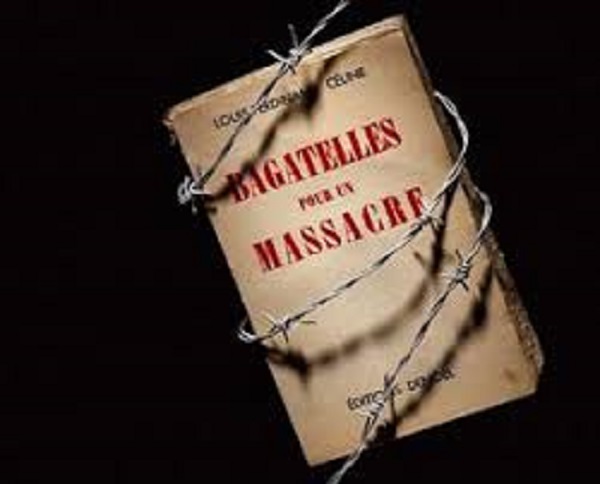
Louis-Ferdinand Céline: Pogromowe drobiazgi (6)
Bagatelles pour un massacre
Pogromowe drobiazgi
Jehowa był Bogiem, któremu zawsze miła była woń palącego się mięsa. (Exodus 29 —18).
Jego gniew łagodzili ludzie ofiarą krwi.
A gdy nie dawali krwi, nieśli mu w ofierze zwierzęta w takiej obfitości, że świątynia w Jerozolimie stała się największą jatką, jaka kiedykolwiek istniała.
CH. PICARD: Historia ofiar.
Już wojna za burżuazję jest kapitalnym głupstwem, ale wojna za Żydów!… Nie mogę znaleźć przymiotnika, dość oślizgłego, dość ciężkiego guariem, dość bogatego w toczone robactwem i zieleniejące ścierwo, do należytego przedstawienia, co to znaczy! Wojna ku radości Żydom! To rzeczywiście karmienie się ich gangreną! Nie mogę sobie wyobrazić większego upokorzenia, większego upodlenia, nie widzę nic bardziej hańbiącego, niż skazywanie; się na rzeź dla Żydów…