











Hamas ma płacić żydom odszkodowania za terroryzm!
Żydaer wziął przykład z polinu, który wpłaca renty UB-owskim oprawcom za ciężkie warunki pracy podczas katowania i mordowania Polaków. Praca ta była tak ciężka i wyczerpująca, że renty są wypłacane nie tylko bezpośrednim sprawcom tych zbrodni, ale oraz ich dzieciom i wnukom, bo trauma idzie w genach na kolejne żydowskie pokolenia. A co jest podstawą do odszkodowania.
Strach się bać.
Red. Gazeta Warszawska
+
Sąd nakazał Hamasowi zapłatę 38 milionów szekli ofiarom terroryzmu
Ponieważ orzeczenie sądu rejonowego podlega orzeczeniu Sądu Najwyższego, rodziny ofiar zapowiedziały, że złożą od tego orzeczenia apelację w celu ponownego wniesienia sprawy do Sądu Najwyższego.
Gilad Shaer, Naftali Fraenkel i Eyal Yifrah
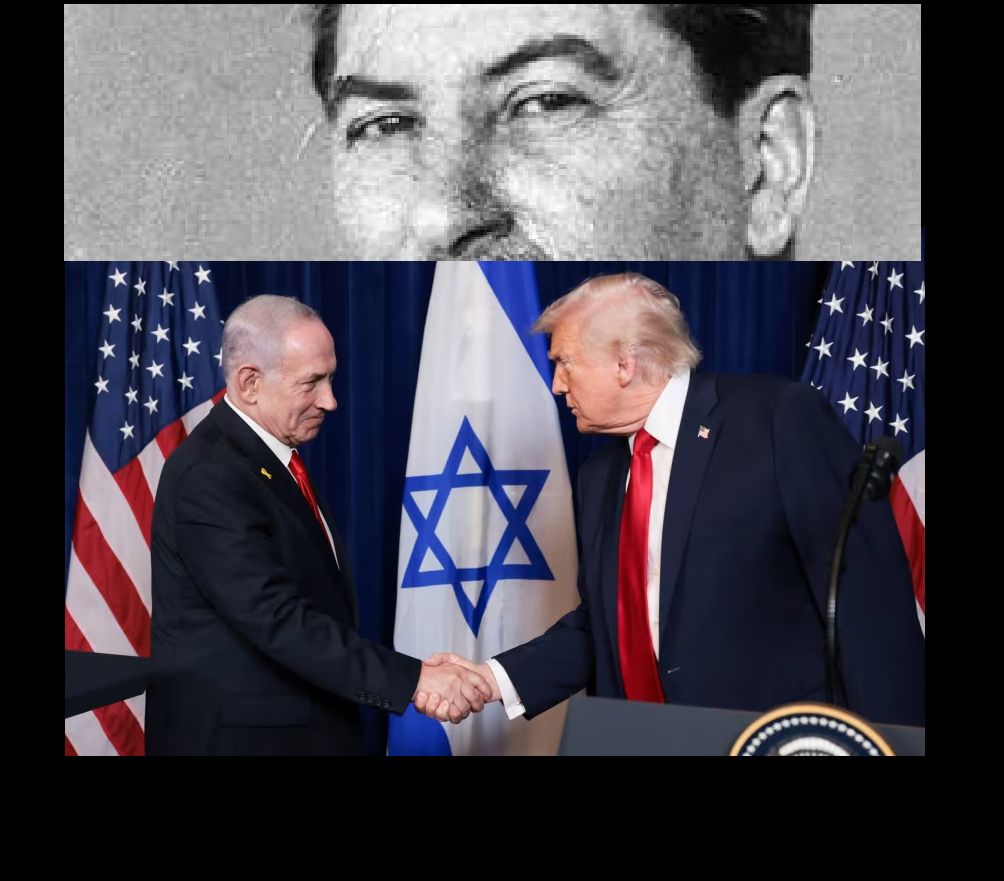
Rodziny trzech nastoletnich studentów jesziwy, którzy zostali uprowadzeni i zamordowani przez terrorystów w 2014 roku – Naftali Fraenkel, Gilad Shaer i Eyal Yifrah – mają otrzymać od Hamasu odszkodowanie w wysokości 38 milionów szekli, orzekł we wtorek Sąd Okręgowy w Jerozolimie.
Organizacja praw obywatelskich Shurat HaDin odwołała się od orzeczenia, twierdząc, że suma jest zbyt niska. Organizacja złożyła pozew przeciwko Hamasowi rok temu w imieniu rodzin o 520 mln NIS.
„Nie tak odstrasza się organizację terrorystyczną z miliardowym budżetem, która nadal morduje Żydów i strzela do izraelskich cywilów” – stwierdziła organizacja.
Read more ...
Oneo —
Przeklęte juden!!! HAMAS Górą i niech tepią tych współczesnych FASZYSTOWSKICH juden!!!! Jakieś juden chcą kasy!!! Wy cholerni FASZYSCI w pierw wy wypłaćcie to co jesteście winni Polsce, Palestynie i wszystkim narodom które okradliscie i okradacie. Juden są jak chwasty, tylko tlen zuży......

Antysemici! Szykujcie gardła - będą poderżnięte.
Papież na Węgrzech: zagrożenie antysemityzmem to "lont", który należy przeciąć
Papież Franciszek powiedział w niedzielę w Budapeszcie, że zagrożenie antysemityzmem, który czai się w Europie i w innych miejscach, to "lont"; "trzeba go przeciąć" - dodał podczas spotkania z Radą Ekumeniczną Kościołów i przedstawicielami wspólnoty żydowskiej.
"Najlepszym sposobem rozbrojenia tej bomby jest pozytywna współpraca, promowanie braterstwa" - mówił Franciszek.
Przywołał obraz Mostu Łańcuchowego, który łączy dwie części węgierskiej stolicy.
"Nie miesza ich ze sobą, lecz je łączy. Takie muszą być więzi między nami. Ilekroć pojawiała się pokusa wchłonięcia drugiego, nie prowadziło to do budowania, lecz niszczenia; podobnie było, gdy chciano raczej tworzyć getta niż integrować" - podkreślił.
Franciszek zaznaczył: "Ileż razy miało to miejsce w naszych dziejach".
"Musimy być czujni i modlić się, aby to się nie powtórzyło" - zaapelował.
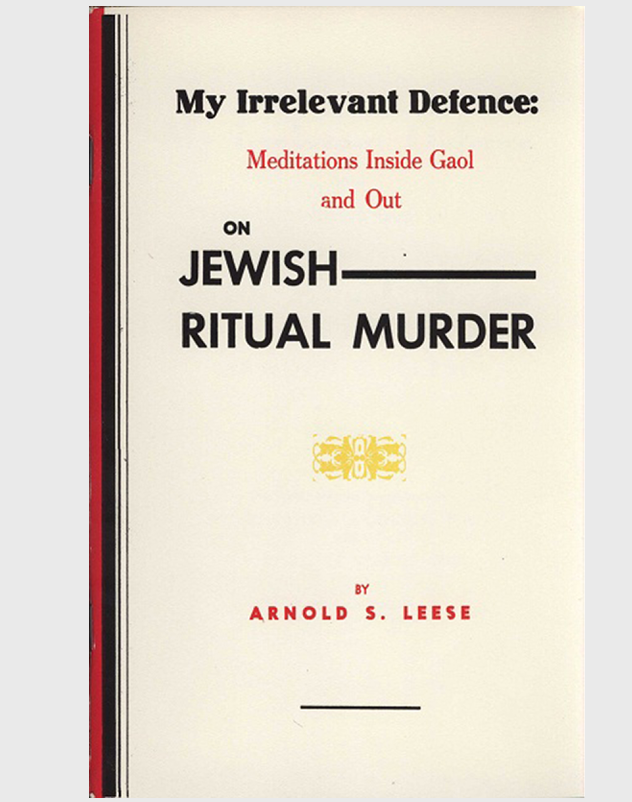
My Irrelevant Defence: Meditations Inside Gaol and Out ON JEWISH RITUAL MURDER
My Irrelevant Defence being Meditations Inside Gaol and Out on Jewish Ritual Murder
by
A R N O L D S. L E E S E
Dedicated without permission to
Mr. OLIVER LOCKER-LAMPSON, M.P.,
AND
Hon. Mr. JUSTICE GREAVES-LORD.
LONDON:
The I.F.L. Printing & Publishing Co.,
30, Craven Street, W.C.2.
1938.
"Soul had they none, nor lineage;
"Nor wit, nor headmen,
"Nor crafts, nor letters,
"Nor e'en a glimpse of God."
British Edda.
"Ye are of your father the devil and the lusts of your father ye
will do. He was a murderer from the beginning. . . ." —
St. John, viii, 44.
"In order to destroy the prestige of heroism for political crime,
we shall send it for trial in the category of thieving, murder, and every
abominable and filthy crime. Public opinion will then confuse in its
conception this category of crime with the disgrace attaching to
every other and will brand it with the same contempt."
— Protocol 19, Protocols of the Elders of Zion.
"If I am killing a rat with a stick and have him in a corner, I am not
indignant if he tries to bite me and squeals and gibbers with rage.
My job is, not to get angry, but to keep cool, to attend to my
footwork and to keep on hitting him where it will do the most good."
A.S. Leese, speaking at Reception, 17th Feb., 1937,
on his return from prison.
THIS COMPUTER EDITION WAS PREPARED BY JR.
THIS IS A NEAR-FASCIMILE EDITION WHICH PRESERVES
THE ORIGINAL PAGINATION.
Errors in the Table of Contents have been corrected.
Moja nieistotna obrona: Medytacje w więzieniu i poza nim, na temat żydowskiego mordu rytualnego
za pomocą ARNOLD S. LEESE
Dedykowane bez pozwolenia
pan OLIVER LOCKER-LAMPSON, MP,
LONDYN:
IFL Printing & Publishing Co.,
30, Craven Street, WC2.
1938.
„Dusza nie miała ani rodu;
„Ani dowcipu, ani naczelnicy,
„Ani rzemiosło, ani litery,
„Ani nawet przebłysk Boga”.
Brytyjska Edda.
„Wy macie diabła za ojca i pożądliwości ojca waszego”.
zrobi. Od początku był mordercą. . . .” —
Św. Jana, viii, 44.
„Aby zniszczyć prestiż bohaterstwa zbrodni politycznych,
wyślemy go na rozprawę w kategorii kradzieży, morderstwa i wszystkiego
odrażająca i brudna zbrodnia. Opinia publiczna będzie wtedy zdezorientowana
koncepcja tej kategorii przestępstwa z hańbą związaną z
każdy inny i napiętnuje go z taką samą pogardą.
— Protokół 19, Protokoły mędrców Syjonu.
Occidental Observer. Import Afgańczyków: Bardzo głupi pomysł z ogromnie szkodliwymi konsekwencjami
"Zachodni politycy, dziennikarze i organizacje charytatywne, które umożliwiają teraz „ewakuację” Afgańczyków na Zachód, powinni być ścigani za zbrodnie przeciwko ludzkości."
...
"Importing Afghanistan: A Very Stupid Idea with Very Powerful Enablers
by Tobias Langdon
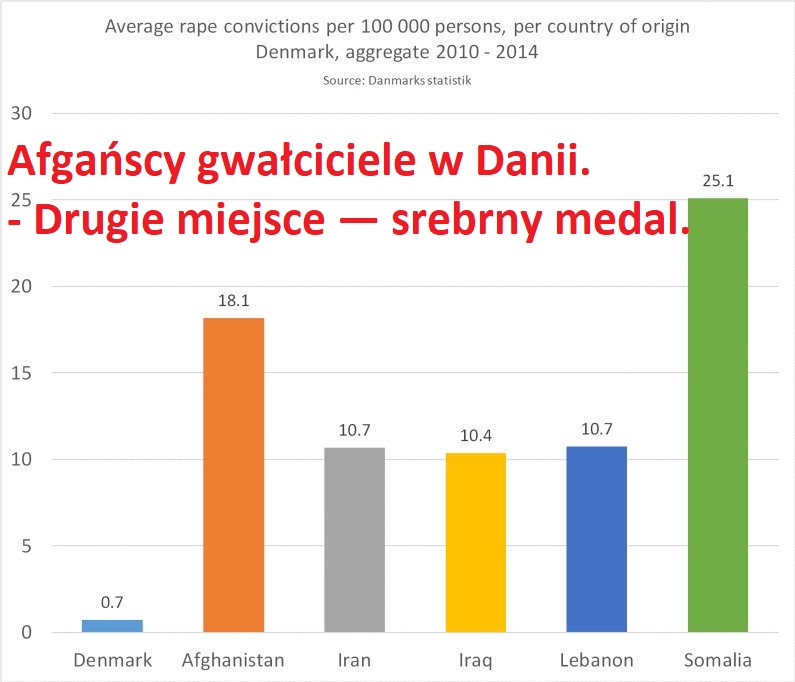
Here’s some good news about Afghanistan. If you drew up a “Toxic Top Ten” of the worst possible places to receive migrants from, Afghanistan wouldn’t be #1. I think that honour would go to Somalia. Now some bad news about Afghanistan. It could be well #2 or #3 in the Toxic Ten. It’s #2 for rape convictions in Denmark, but Denmark doesn’t have the honour of having been enriched by importing large numbers of Pakistanis. The Western politicians, journalists and charities now enabling the “evacuation” of Afghans into the West should be prosecuted for crimes against humanity."
Taka jest trywialna prawda.
Czy jest w Polsce jakaś organizacja lub osoba, która potrafi to wyartykułować?
Masa bez rozumu, odpowiedzialności i sumienia.
Red. Gazeta Warszawska
+
Import z Afganistanu: bardzo głupi pomysł z bardzo potężnymi bodźcami
Oto dobre wieści o Afganistanie. Gdybyś sporządził „Toksyczną pierwszą dziesiątkę” najgorszych możliwych miejsc, z których można przyjmować migrantów, Afganistan nie byłby numerem 1. Myślę, że ten zaszczyt trafiłby do Somalii. Teraz kilka złych wiadomości o Afganistanie. To może być drugie lub trzecie miejsce w Toksycznej Dziesiątce. To drugie miejsce w przypadku wyroków skazujących za gwałt w Danii, ale Dania nie ma zaszczytu wzbogacenia się importem dużej liczby Pakistańczyków. Zachodni politycy, dziennikarze i organizacje charytatywne, które umożliwiają teraz „ewakuację” Afgańczyków na Zachód, powinni być ścigani za zbrodnie przeciwko ludzkości.